
Demand Side Platforms vs Supply Side Platforms: 5 Key Differences
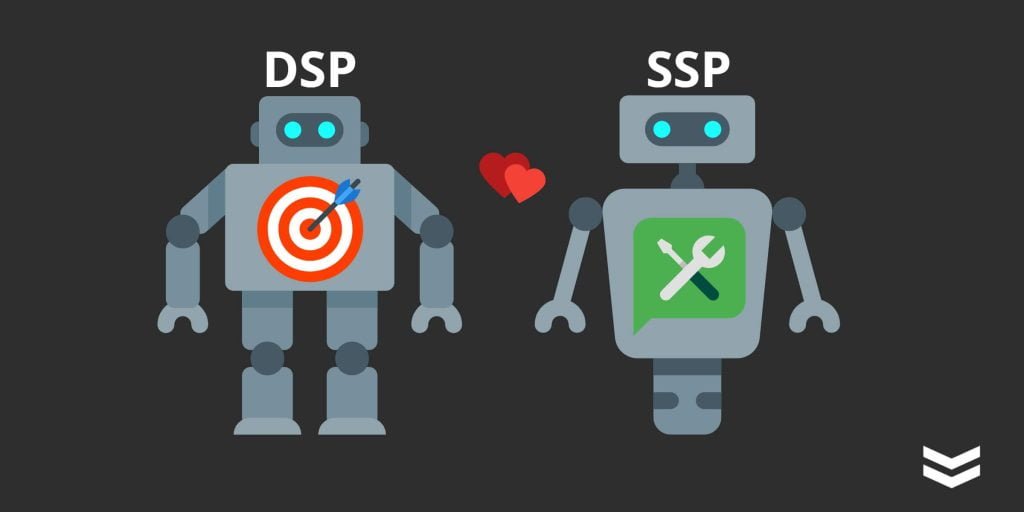
If you’re exploring programmatic advertising, you most certainly would have come across the terms SSP and DSP. Are you wondering what makes them different from each other? Both Demand Side Platforms and Supply Side Platforms are involved in the programmatic advertising process, but 5 key differences set them apart. It’s time to take a closer look at each platform, how it works, and how it contributes to the overall system that drives programmatic advertising technology. By the end of this post, you’ll understand the definition of each term and its role in automating, targeting, and personalizing the ads you see online today. Let’s get started! Here are the five key differences we will cover: Opposite Ends of the Same Programmatic Process A Demand Side Platform (DSP) Helps Advertisers with Ad Placement A Supply Side Platform (SSP) Sells Ad Inventory to Advertisers The Technical Function Isn’t the Same They Use Data For Different Reasons If you’re short on time, we’ve got a concise TL;DR – What Have We Learned section too. #1: Opposite Ends of the Same Programmatic Process Programmatic advertising needs both DSP and SSP ad tech to function. In business, there is always supply and demand – which is where these terms come from. Each term sits at the beginning or end of the programmatic advertising process, depending on which perspective you’re taking. Let’s explore the terms. What Does DSP Mean? DSP stands for ‘Demand Side Platform’ and refers to technology that automates advertising buys for advertisers. In other words, a DSP is a software that lets advertisers buy ad space. When comparing an SSP vs. DSP in terms of automation – both use the real-time bidding auctions that are inherent in the programmatic process to trade ads for ad space. So, the Demand Side Platform ‘demands’ the ad space, and the Supply Side Platform ‘supplies’ it. They’re at opposite ends of the same amazing automated process! What Does SSP Mean? SSP stands for ‘Supply Side Platform’ and refers to technology that automates ad inventory sales for publishers. In other words, an SSP is a software that lets publishers sell their ad space. #2: Demand Side Platforms (DSPs) Helps Advertisers With Ad Placement A DSP is what advertisers use to find the right ad space on the internet.DSP ads are placed when a target user clicks to a website. In mere milliseconds, the real-time auction occurs, and successfully placed ads are put in front of targeted users at the right price point. Before, advertisers would have to negotiate with publishers where their ads could go manually. Platforms were limited, and so was audience reach. These days, the programmatic advertising process gets it done automatically. Your DSP has specific artificial intelligence and machine learning to help advertisers correctly place their ads for the best possible price. Simultaneously, it’s also shown to people who are more likely to click and convert. A Demand Side Platform (DSP) eliminates the need for salespeople, lengthy negotiations, and limited ad placements. #3: Supply Side Platforms (SSPs) Sells Ad Inventory to Advertisers An SSP is what publishers use to sell their ad inventory to the best possible advertisers for the highest achievable price. There are several ways they do this, prioritizing inventory and doing private deals to sell their premium spots first. When comparing an SSP vs. DSP, it’s helpful to know that an SSP’s primary goal is to achieve their total fill rate and maximize their earnings. On the other hand, a DSP would want to place ads on the highest quality sites for the cheapest possible costs. Their basic function isn’t the same – which brings us to difference #4. #4: The Technical Function Isn’t the Same While SSPs and DSPs use much of the same technology, it differs because their aims aren’t identical. SSP tech works to sell, while DSP tech works to buy and place. Both platforms use machine learning and AI technologies, and they are both connected to large data sources and RTB auctions during the process. DSP software tends to function to optimize the way ads are targeted, which is why agencies can set actions, demographics, location, behavior, and a host of other parameters to find the right sites or apps to bid on. SSP software optimizes the way they manage inventory, gain revenue from that space, and how effectively it sells to advertisers. They do this by setting pricing parameters and rules for advertisers searching for space. DSPs and SSPs need specific integrations to function, like data center access and connections to ad exchanges and networks. Your DSPs are a buy-side service, while your SSPs are a sell-side service. Programmatic though they both are, they serve the best interests of their respective parties (advertiser or publisher). #5: They Use Data for Different Reasons Both Demand Side Platforms and Supply Side Platforms are indeed data-driven and able to access enormous volumes of data so that they can streamline their programmatic advertising processes. DSPs and SSPs collect their own data, but they also use data from Data Management Platforms (DMPs). These Data Management Platforms inform both DSPs and SSPs, for different reasons. Data integrations will help each platform make better decisions about optimizing their service and achieving better results for their clients. The data can include everything from purchasing behavior to preferred websites, interests, and even where your audience likes to eat dinner. The right data integrations will help DSPs reach more relevant customers and contributes to their knowledge base and overall consumer insight. On the SSP side, data management platforms help them understand their advertisers better and give them insights they can use to price their space better. A Programmatic Advertising System That Works Overall, data is essential for the programmatic advertising process because it keeps the system intuitive, functional, and working for everyone’s best interests. The ad tech is similar but not the same because their functions are different. And finally, each taps into data management platforms to help them make better ongoing decisions. These 5 key differences are how you’re going to end the DSP vs SSP confusion once and
What is Connected TV (CTV) Advertising?

Programmatic advertising has become increasingly popular due to its effectiveness in reaching audiences. Display, Social Display, Audio…are all popular advertising channels. Today, we’re going to dive a bit deeper into two trending ad types: Connected TV and Over-The-Top (OTT) Advertising. What is Connected TV? What is OTT? What’s the Difference Between Connected TV and OTT? Why is Connected TV and OTT Becoming Popular? Types of Connected TV Ads Benefits of Connected TV Advertising How Do I Run CTV Ads? What is Connected TV? When we talk about Connected TV, we need to talk about Over-The-Top Advertising. These two types of advertising are not competitive but instead part of each other. Connected TV is a subset of Over-The-Top, which encompasses the devices that can connect to the internet and stream videos. Here are some examples of Connected TV devices: Smart TVs These cover televisions that have a built-in internet connection and media apps. Examples are Netflix, Tubi, Prime Video, HBOMax, Paramount+, etc. Gaming Consoles Consoles like PlayStation, Xbox, Nintendo Switch can be connected to the TV and have streaming functionalities in their app stores, including Youtube, Twitch, Netflix, etc. Find out why gamers are a target demographic marketers shouldn’t underestimate! Connected Device These are also known as Over-The-Top devices, which can be plugged into TVs (even if they’re not Smart TVs) and connect it to the internet to use apps and stream videos. Examples include Chromecast, Roku, and Amazon Fire Stick. What is OTT? Over-The-Top stands for the video content people stream from the internet instead of broadcast, cable, or satellite TV.OTT platforms include Hulu, Amazon Prime Video, Netflix, Sling, Discovery+, Paramount+, Disney+, NBC Peacock, Tubi…etc. Be sure to check out our other blog post, “What is OTT Advertising?” for more information. What’s the Difference Between Connected TV and OTT? Let’s drill it in: Connected TV is the over-arching term for all types of advertising on TV that connects to the internet. Over-The-Top is TV content delivered across the internet that CTV devices (SmartTVs, smartphones, tablets, etc.) can access. To differentiate the two, remember: Connected TV is the conduit for delivering Over-The-Top (OTT) video content. The graphic below are all the devices that are OTT. As you can see, CTV makes up a portion of it. Why is Connected TV and OTT Becoming Popular? Do you pay for cable but have channels you never watch? The introduction of on-demand video streaming has revolutionized the way people consume media. You can now binge-watch a series overnight; rewatch your favorite comfort show whenever you want, or check out movies you weren’t able to watch in the theaters before! With so many options that offer affordable monthly costs, it’s no wonder people are leaving traditional TV behind and flocking to watching OTT content through Connected TV. Cord Cutters stand for people who don’t have (or chose to opt-out of) cable television. According to TechJury: 30% of US consumers plan to cut the cord in 2021 Almost all Americans aged 25-34 access TV through the internet 90% of young people prefer accessing TV content through the internet Advertisers have noticed this shift and are moving their ad budget from traditional to digital to capture this emerging audience. Types of Connected TV Ads Here are the three types of Connected TV Ads you can choose from: Home Screen Placement These are display ads that are on the home screen. It can be a static image, animated image, or short video. In-Stream Video Ads These ads are around 15 to 30 seconds long and…drumroll please: they are unskippable! They are served before a show starting or during the run time. Interactive Pre-Roll Ads These types of ads are interactive–viewers can click on your ad and be directed to your landing page. Benefits of Connected TV Advertising Precision Targeting You can laser-focus your advertising dollars on your target audience. Here are options available for CTV ads: Device Type Device Model Frequency Capping Cross-Channel Advertising Lookalike Audiences Retargeting (First-Party and Third-Party) Time of Day Day of Week Save Time & Effort on Creatives If you have previous ad creatives for video (like Youtube or Social) or traditional television, you can reuse them for Connected TV! It’s cost-effective and saves your team time and effort! Brand Safety You can ensure your ads are reaching engaged audiences on premium channels and content. Guaranteed Viewability Most OTT ads are delivered through a full-screen experience, so advertisers can have peace of mind that their ads are properly seen, compared to other formats of digital ads like below-the-fold display ads. High Ad Completion Rate CTV Media states that the average completion rate of watching an ad to the end is 98%. Measurable Ad Results Compared with traditional television ads, the data you collect from ad campaigns have more audience data. Here are some metrics you can track with CTV ads: Click Rate Video Completion Rate Impressions by: Platform Device Date Day of Week You will also see how many impressions your original order had, compared to the actually aired impressions. Connect with Younger Audiences Earlier, we cited TechJury’s study on Cord Cutters (people who only consume TV content from the internet). The two biggest demographics are Millenials and Generation Z. If you’re thinking of reaching a younger audience, you should consider running OTT ads through Connected TV! How Do I Run CTV Ads? So, have you piqued your interest in this advertising channel? Where do you start? Know your target audience. What is the demographic? What are their interests? What are the types of content they consume? What stage of the customer journey are they currently in? Decide what ad creatives to serve on which OTT channels. Find a Demand Side Platform (DSP) or advertising partner that specializes in Programmatic Connected TV Advertising. Programmatic is the automation of digital ad buying. Say goodbye to the days where you had to negotiate and pay high prices for a primetime slot on traditional TV, all while competing with other companies. Programmatic uses Artificial Intelligence and software to purchase ad
What are Display Ads?

Display ads are the most common type of ads you see on the internet.Today, we’re sharing an overview of them. Here are the topics we’ll cover: What are Display Ads What are Display Ads Good For Types of Display Ads What are Programmatic Display Ads Why You Should Run Display Ads Benefits of Partnering with War Room Photo by Mike Tyler on War Room Inc What are Display Ads? Display Ads are image-based, banners displayed in designated areas for advertisements on websites, social media platforms, and apps. Display ads cover a wide range of media, such as: Text Video GIF Audio Static Images HTML5 Flash content and more Display Ads are usually found in the headers, footers, or sidebars and come in various formats. Most Display Ads are charged on a Cost-Per-Click (CPC) basis, which means when someone sees your ad online and clicks it, you get charged the amount based on your bidding strategy. The strongest suit of Display Ads is that they create demand and the feeling of need. What are Display Ads Good For? One of the most popular digital advertising formats is Paid Search. These answer the demand of consumers who are actively searching for a product or service. Display Ads, on the other hand, are excellent at building awareness and driving engagement. People might not know they need your brand–yet! They are not proactively looking for you yet, but are likely visiting websites related to their interests or needs. That is why advertisers love running Display campaigns: they can reach the right consumers at the right place and time and convey the immense value their brand has to offer! Display ads are great for: Retargeting Brand awareness Acquisition Increasing: Impressions Time on site Ad clicks Website traffic Landing page visitors Conversions and more Display Ads are usually found in the headers, footers, or sidebars. Most Display Ads are charged on a Cost-Per-Click (CPC) basis, which means when someone sees your ad online and clicks it, you get charged the amount based on your bidding strategy. The strongest suit of Display Ads is that they create demand and the feeling of need. Types of Display Ads All Display Ads are image-based (static or animated), completed with text (such as taglines, Call-To-Actions, etc). They are distributed across websites, apps, and social media platforms. Let’s take a look at the types of Display Ads there are available for brands to choose from: Traditional Banner Ads These banner ads are fixed in nature and tend to broadcast the brand or products. These are the most common types of Display Ads you will find when browsing the internet in different visual measurements. Interstitial Ads These ads pop-up on the fullscreen before the user is directed to the page they originally intended to. They usually appear in a mobile browser or within an app. Remarketing Ads Brands use Remarketing Ads to target people who have visited your website previously. The main objective is to close the deal. The ad content is often personalized, for example, showcasing products from the online shopping cart where one did not complete the purchase. Native Ads Native Display Ads are made to fit into the design on the website they are on, typically an editorial setting. They blend in and offer the users a more seamless experience consuming content on the page. Discovery Ads Discovery ads are native ads that appear in Google’s Display Network. It has an expansive reach of 3 billion users (Google and Youtube etc.) and uses targeting functions that dip into people’s website history, previously-watched videos, downloaded apps, and map searches. By doing so, it exposes users to new products and services they might be interested in. Social Display Ads This is a new and exciting ad format that is exclusive for programmatic display. It takes existing social media posts and serves them around the internet as Display Ads. It saves advertisers time (not having to design new ad creatives), maintains brand consistency, and extends ad reach tremendously. See here on how to win big with Social Display Ads! Programmatic Display Advertising It is expected in 2021 that the total global spend on Display Ads to hit $204 billion, with $147 billion allocated towards programmatic display advertising. Why?Because programmatic advertising is the smartest and effective way for brands to track ad spend and hyper-target their dream audience. Programmatic eliminates the lengthy process of human negotiations for ad space and instead uses software technology to purchase digital ads. The process looks like this: You pick the space you’d like for your ad to show up on. Your bid is entered against industry competitors. If you’re the highest bidder, your ad is then served. Easy peasy, lemon squeezy! According to Emarketer, programmatic display ad spending will take up 87.5% of the market by 2021. Programmatic is the future. Why You Should Run Display Ads Here are some useful statistics on Display Ads to persuade you: 86% of digital display ads in the USare programmatic (2020) 70% increase in conversions areseen in Remarketing Ads 90% of internet users are reached byGoogle’s Display Ad Network Benefits of Partnering with War Room Running programmatic Display Ads is an excellent way for brands to optimize digital ad spend. Programmatic technology can target audiences granularly and serve relevant ads to them at the right place and time to sell more. It’s vital for a brand interested in investing in programmatic ads to partner up with the right company. They must have excellent technology, expertise, and cross-channel functionalities. Lucky for you, this is exactly what we do at War Room! Cross-Channel Advertising War Room is proud of its Cross-Channel Advertising functions (not many agencies can offer this). We connect brand advertisers with enormous ad networks. Your digital strategy may be multi-pronged, and we are here to connect them all. For example, you can exclude your Facebook leads from seeing your Google Display Ads to save money and consolidate leads. Beautiful Reporting & Data Insights We compile all the data that is measured and integrate it into our beautifully branded
A Guide to Keyword Match Types
If you have run a Pay-Per-Click (PPC) Search Campaign on Google Ads, you most definitely had to choose a “Keyword Match Type”. There’s no doubt it can be tricky and confusing. As a business owner, your hope for Google Ads campaigns would be to show up for people who are actively searching for a business like yours with high intent to convert. But how do you know if your keywords are working? Which keyword match type is right for you? Note: There were a few updates in 2021. Click here to jump to this section. Google Search & The Importance of Keywords Did you know that Google processes 40,000 search queries every second? That means a whopping 3.5 billion searches a day! This is why brands are working hard to nailing their keywords to serve their Search Ads to their target audience. For PPC Search campaigns, you choose a goal: Sales, Leads, or Website Traffic. Then create specific keywords and ad groups, set your target audience and budget, and start advertising. Of course, you then monitor and optimize your campaign as it runs and tracks your progress. When running Paid Search campaigns, you only pay when someone clicks on your ad. Therefore, it’s crucial to have fine-tuned keywords relevant to your audience and not have an overly generic keyword that people might click on and waste your advertising budget. Let’s say you’re a company that sells wine glasses. You don’t want people looking up “prescription eye glasses” to click on your ad as you will have to pay for each click, relevant or not. That’s why there are different keyword match types to choose from to best optimize your coverage. Keyword Match Types Keywords are specific words or phrases which advertisers use to predict and match the term people type in the Search Engine when searching for a product or service, which then serves relevant ads to them in the search results page. The Match Type examines how accurate and relevant the keyword matches a person’s search query, then determines if it qualifies for online auction. Advertisers will use the different matching options to deliver a variety of user searches. Let’s take a look the different types below. Broad Match Board Match is the default type for all your keywords unless you specify any other options. If you set it to this, ads might appear in search results related to your keyword, even if it doesn’t contain the actual phrase. Some reasons to choose this option would be: it helps with a broader audience reach driving more people to your website save time on building more intricate keyword lists a simpler ad budget structure Here’s Google’s example of how a Broad Match Keyword would work: According to Google, Broad Match Types also takes the following into consideration: The content of your landing page The user’s recent online search activities Other keywords in your ad group to gauge keyword context Google doesn’t recommend using similar keywords like “blue coat” and “coat blue” because they would be recognized as duplicates, and whichever one has a higher Ad Rank would be chosen. Under Broad Match, there is “Broad Match Modifier”. These ads are shown if the keywords appear in the user’s search query if they are exact, or in a close variant form. Keywords should be highlighted with “+” to showcase that they need to be part of the search query to show up. The only time the ad wouldn’t show up would be synonyms. Update: July 2021As of July 2021, Google Ads, Microsoft Advertising and Yahoo! Japan are phasing out Broad Match Modifier. Some of the behaviors of Broad Match Modifier are going to be added to Phrase Match type instead. Be sure to check with your advertising agency if there’s anything you need to do on your end for this change. For War Room clients, we have changed how we process the broad match modifier function in keyword templates in inventory campaigns, and will now generate a new phrase match keyword instead of a broad match keyword. You won’t be required to make any changes to campaigns, we will do that for you. Phrase Match Phrase Match Ads will appear to people who use the exact phrase (or close variants) you specified in your search term. Compared to Broad Match, Phrase Match is a level more targeted but is a step more flexible than the exact match. Advertisers get to control how close a keyword matches a person’s search term for their ad to appear. Close variants can count as: misspelled words, single and plural forms, abbreviations, stemmings (like: fix and fixing), paraphrases, synonyms, and other keyword terms that might share the same meaning. Negative Keywords Negative keywords are used to exclude your ads from showing on search results you don’t want, which saves you money on irrelevant ad clicks. An example would be: you are a shoe company that doesn’t sell dress shoes, you can add a negative keyword for dress shoes. Here is a detailed example of different Negative Keywords that fall under each Match Type: The Relationship Between Keywords & Landing Pages If someone looks up a specific keyword and they click on your link, they expect to find what they are looking for. So no matter what keyword match type you choose to use in your PPC search ad campaign, it’s important to serve your audience with highly-relevant content and information of said-keyword. With so many search results out there, you need to make a good impression with your landing page. Download: Blueprint for a high converting landing page Update – September 2021 Keyword Matching + BERT BERT is Google’s neural network-based technique that handles natural language processing. It helps Google discern the context of search query words, and understand the user intent behind the queries and properly match keywords. Search Engine Land says BERT is useful when it comes to Broad Match Keywords. Google uses an example: “A highly specific query like “1995 5 speed transmission seal input shaft” is now able to match with the broad match keyword “auto parts”
Programmatic Guaranteed vs Preferred Deals

Programmatic is a broad umbrella that encompasses many types of advertising, such as open auction, private marketplaces, real-time bidding, programmatic guaranteed, preferred deal, and so on. It can be overwhelming for brands to choose which type to run ads on! In this blog, we will be Programmatic Guaranteed and Preferred Deals. Feel free to read out other blogs to learn more about other programmatic deals, such as: What are RTB, Programmatic Direct, and Private Marketplaces? Programmatic Direct vs Real-Time Bidding: What’s the Difference? Quick refresher: programmatic is the automation of the ad buying process. The process of ad inventory selection, price negotiations, and audience targeting — all happens in real-time. Inventory may vary based on your budget and audience segments, but the ultimate goal is to serve your ads to your target audience at the right place and time, at the best price. Programmatic is an excellent choice for businesses that want a hyper-targeted and data-driven digital marketing strategy. Its popularity is increasing among small and medium-sized businesses! Programmatic Direct Programmatic Direct is one of the fastest-growing sectors in online advertising. According to Google, one in every two dollars spent programmatically in the US is for a direct deal. Both ad publishers and buyers enjoy what it has to offer. Here are some benefits of Programmatic Direct: Control and transparency Elimination of ad fraud through direct deals The efficiency of automation (less manual tasks) Priority access to premium inventory Simplified campaign process Audience targeting capabilities Audience reach across countless inventories Customization for campaign settings Opportunity to optimize Return on Ad Spend (ROAS) Direct deals connect the ad publisher and buyers directly, eliminating the chances of fraud. There are two types of Programmatic Direct deals: Programmatic Guaranteed and Preferred Deals. For both these methods, the buyer purchases directly from the ad publisher. Read through the blog, or skip to a specific section if you’re short on time: Programmatic Guaranteed Preferred Deals Should I Run Programmatic Guaranteed or Preferred Deal Ads? Programmatic Guaranteed This type of direct deal can guarantee or reserve the ad inventory for the buyer. Specific metrics are set in stone when the deal is made, including: Positions Quantities Dates Impressions Prices This type of exchange is primarily for premium inventories. The buyers can see and choose the ad placements. The ad publisher will select only one buyer and negotiate a fixed price for a guaranteed number of impressions. Pros: You get access to premium quality inventory. Top-tier inventory means quality traffic. You get peace of mind knowing your ads will be shown. Both buyer and publisher get more control. As a buyer, you can see exactly where your ad will be served. Publishers can review your creatives and control what content is shown on their website or app to ensure brand safety for themselves. Cons: It has less flexibility: fixed prices mean no room for negotiation. Preferred Deal For buyers exploring Preferred Deals, you’ll get access to review the inventory and decide if you want to buy it or not. The number of impressions isn’t guaranteed. Instead, audiences are guaranteed. You can use your brand’s audience data to make informed decisions. You can determine what to bid on and purchase ad impressions at a negotiated price. Preferred Deals give you more flexibility. You can choose only to buy the inventory that meets your campaign’s requirements, there is no upfront commitment. It is like how a Private Marketplace works: buyers get access to first looks before an agreement is struck. Pros: Once a deal is struck, you can serve highly relevant ads to targeted audiences. It’s flexible: brands can shop around for the right inventory without feeling obligated to buy. Cons: The deal isn’t guaranteed, so the buyer might have to compete with other buyers for the same deals. Should I Run Programmatic Guaranteed or Preferred Deals Ads? We hope you’ve learned a bit more about the differences between these programmatic direct deals! Here’s a quick summary: Programmatic Guaranteed:Ad publishers can guarantee to serve a certain amount of impressions. Preferred Deals:There are no guarantees on impression volumes. But, you can choose to buy specific impressions that serve only your target audience. Run Programmatic Guaranteed ads, if: You are looking to lock in a specific ad placement with a publisher in a particular date range. If it all looks good, you’ll agree upon a budget, and that’s it! For example: You’re a company that sells sports jerseys and are looking to ride the wave of the FIFA World Cup. You’re looking to serve your ads on ESPN and other sports network websites on the lead-up and duration of the World Cup. You can buy impressions through Programmatic Guaranteed deals with these websites and their premium inventory. Run Preferred Deals ads, if: You want to ensure your campaign reaches a targeted audience group. You don’t feel tied to impressions as it isn’t guaranteed. For example: An apparel company is launching a “Mommy and Me” product line for matching clothing sets for moms and babies. They want to target young mothers from the age of 20-25 who live in cities. They’re built their campaign around this demographic. A popular parenting website aligns with their brand, and they want to place an ad on its homepage. But, the reader demographic on the website is mainly mothers aged 35-40 years old. So, the apparel company opts for Preferred Deals. They can only buy the impressions for 20-25-year-old mothers on the site. Because it’s only a part of their planned budget, they can reallocate it for other channels instead. Programmatic Guaranteed & Preferred Deals Advertising Services At War Room, we are an advertising agency that specializes 100% in programmatic. We have direct partnerships with 90,000+ premium ad publishers. That means lower Cost-Per-Click, an extensive audience reach, and lower Cost-Per-Acquisition. We are happy to share that we offer both Programmatic Guaranteed and Preferred Deals! Both can work well in tandem. If you want to generate more general brand awareness, purchasing guaranteed impressions are the way to go. Furthermore, to continue
Google Page Experience Update: Need-To-Knows

Google Page Experience—what’s that? Ah, yes, there is another Google algorithm update. As a digital agency specializing in advertising services, we don’t talk about Search Engine Optimization (SEO) too much. But this update might affect your website performance, so here is what you should know about Google Page Experience. What Does the Google Page Experience Update Mean? When is the Google Page Experience Update Happening? What Will Google Evaluate on Page Experience? Where Do I See My Google Page Experience Report? How Will the Google Page Experience Update Affect My Ads? What is the Takeaway? What Does The Google Page Experience Update Mean? Google will now consider the user experience on your web pages when they rank your website in the search results. They said: You can think of it as if you’re adding a flavoring to a food you’re preparing. Rather than add the flavor all at once into the mix, we’ll be slowly adding it all over this time period. Google reaffirms to the public that we shouldn’t expect any drastic changes to our websites. However, from now on, we should strive to create good page experiences to rank well! When is the Google Page Experience Happening? It will be rolling out in mid-June 2021. But it won’t be until the end of August for page experience to be 100% kick in. What Will Google Evaluate for Page Experience? Accessibility Loading Security & Privacy User Annoyance These key performance metrics incorporate the following: Core Web Vitals HTTPS Safe-Browsing Mobile-Friendliness No intrusive interstitials Accessibility Mobile-Friendliness Ensure all web pages on your site to be easy to use and navigate on mobile devices. Factors to consider include content readability, link clickability, and on-page element accessibility. Test if your webpage is mobile-friendly here. Loading Core Web Vitals Google combines three performance metrics to measure your overall core web vitals. Largest Contentful Paint (LCP): This metric measures loading performance. For a good user experience, aim to have the LCP occur within the first 2.5 seconds. First Input Delay (FID): This metric webpage inactivity. It’s best to keep the FID less than 100 milliseconds. Cumulative Layout Shift (CLS): this measures visual stability. It would be best if you aimed to have a CLS score of 0.1 or less. Security & Privacy HTTPS You should serve your website over HTTPS, which means having a secure connection. Safe-Browsing Your web pages should not contain: Malicious content like malware Deceptive content like social engineering for phishing purposes. You can take a look at your website Security Issues on Google Search Console. User Annoyance No Intrusive Interstitials Users should enjoy your content as they’re browsing; thus, there shouldn’t be any obstruction to your content—for example, interruption by poorly designed or annoying pop-up ads. Where Do I See My Google Page Experience Report? You can find the Page Experience Report in Google Search Console. It falls under the “Experience” section on the sidebar. It currently covers Page Experience, Core Web Vitals, and Mobile Usability. Here is an example of what it would look like: How Will the Google Page Experience Update Affect My Ads? Google Search Ads value your Quality Score: Click-Through Rate Historical performance of your Google Ad account Quality and relevancy of your landing page, copy, keyword, etc. As an advertiser, you’re already familiar with landing page optimization. Clear content that’s easy to read, engaging visual media—all laid out that’s navigatable. Apply this mindset to your entire website. DOWNLOAD: BLUEPRINT FOR A HIGH-CONVERTING LANDING PAGE Although paid ads and organic results aren’t directly related, they work in sync in a digital marketing strategy. For example, you run Paid Search Ads on Google. Your ads show up in the top ad results for “best craft beer in Oregon,” so people can find you easier.Let’s say your website’s organic ranking is on the second page. If you work on your Page Experience optimizations, you could increase your page’s ranking and move up to the first page. That way, you’ll be establishing more presence on the first page of Google Search results! PS. If you are an eCommerce brand, you should also run Google Shopping Ads. You will show up in 3 separate and optimal spots on Google search, maximizing more clicks to your website! What is the Takeaway? We should focus on creating a seamless user experience on our website for better Google search rankings. If you have time, take a look at Google Search Central’s presentation on “Preparing For Page Experience Ranking”: Looking for a Strategic Advertising Partner? We specialize in customized advertising strategies that convert. Let’s connect and see if we’re a good fit! Contact Us
6 Digital Ad Metrics to Measure For Success
You Need This Resource if Your Brand Runs Digital Ads How are your campaigns performing? How effective are your ad dollars? Whether your digital ads are run in-house, or by an agency, this resource will come in handy for any brand to better understand their marketing data and ad performance. We will break down each digital ad metric, discuss its definition, how it relates to other metrics, how to calculate it, and how it affects the big picture. Ultimately, you want a balanced ad budget and Return On Investment (ROI) for your business! 6 Digital Ad Metrics to Measure For Success Download Now
Introducing Our Charity Program: Kedet Kares

Giving back to our community has always been a big part of War Room’s company ethos. Our agency’s core values are Passion and Service. We are passionate about making a difference and believe that relationships are the key to business success and longevity. As a small business navigating its way through the COVID-19 pandemic, there had been lots of uncertainty. The importance of local community has never been greater. With the accumulation of everything that happened in 2020, the team at War Room started reflecting and planning ahead on what we could do more of in 2021. An idea hatched and we’ve been planning ever since. Now, it’s time for us to announce our charity program: Kedet Kares! Kedet Kares will encompass different charitable activities, such as volunteer work, donations, and more. We will be launching these initiatives one-by-one. Today, we’re proud to introduce the very first initiative: Gift Matching! Everyone makes charitable donations each year, no matter how big or small the amount is. We want to amplify that! Before December 31st of each year, submit your donation matching request, and War Room will match it and donate to the non-profit organization of your choice, which means doubling the love and impact! Our program wants to place the emphasis on supporting local. We encourage you to donate to a registered, non-profit organization that directly supports your community! Editor’s Note: Not sure if your choice of charity is eligible? See our details page. Our Gift Matching program is open to: War Room’s employees Employees of War Room clients Current Directors of War Room We decided to launch it in April, because April is World Autism Month. According to the World Health Organization (WHO), about 1 in 270 people have an Autism Spectrum Disorder worldwide. It occurs amongst all racial, ethnic, and socioeconomic groups. We want to raise awareness and help empower individuals on the autism spectrum and their families! Triple Your Impact: If you donate to an organization that supports those with Autism in your community, we won’t just match your donation amount, but DOUBLE it! We will be accepting Gift Matching submissions now until May 31, 2021! Check out our "Kedet Kares" page now! PS. Subscribe to our newsletter as we’ll announce future “Double the Gift Matching” events for other awareness months! Give Back to Your Community with Kedet Kares!