
10 eCommerce Trends to Watch Out for in 2023

Discover the key trends that are reshaping the eCommerce market and should be included in the marketing strategies for success in 2023 and beyond!
Essential KPIs for Effective Lead Generation Strategies

Discover Artificial Intelligence’s (AI) transformative power in digital marketing and advertising.
How AI is Revolutionizing Digital Marketing

Discover Artificial Intelligence’s (AI) transformative power in digital marketing and advertising.
Microsoft Bing Ads vs Google Ads

Microsoft vs Google Ads — it’s an online ad titan showdown! Google Ads have always been the king of PPC. However, in 2022, marketers had spent a total of $11.59 billion on Microsoft Advertising (or previously known as Bing Ads). This means we should not underestimate Microsoft presence in the advertising game! In this guide, we’ll take a look at what PPC is, then take a look at the ad options between Microsoft and Google, the user demographics, and more. You’ll be able to make an informed decision on what works best for your business and generate website traffic and leads with ease! Let’s get this showdown on the road. Here’s the outline, feel free to skip to a section that interests you the most. What is Pay-Per-Click An Overview of Microsoft Advertising vs Google Ads Paid Search Display Ads Shopping Ads Microsoft Advertising vs Google Ads: Pros & Cons Should I Use Microsoft or Google Ads? What is Pay-Per-Click (PPC)? Pay-Per-Click is the most common digital advertising model. The primary goal is to drive website traffic. Because webpages and search engines have limited ad space, brands will need to compete in online auctions for ad placements. You set an advertising budget and bid based on how much you’re willing to pay for clicks on your ad. Hence, you pay per click. For example, you’re a churro company, so you bid on the keyword “churro.” You determine how much you want to bid. Next, you enter online auctions to bid against other competitors on the word “churro.” Finally, the highest bidder wins and gets the top placement. These factors determine your ad position: Relevancy: how close your ad and landing page align with search queries How your bid compares to your competitors’ bids in the online advertising auction Historical ad performance and Click-Through Rate (CTR) A combination of these factors will determine your chance of “winning” the top ad position. Note that there is no set price when it comes to PPC. It depends on your industry, seasonality (e.g., Christmas season), trends (eg. COVID-19), location keyword competitiveness, and the lifecycle of your customer. We discussed Google and Bing Ads in the Paid Search section of our blog, “How to Choose the Right Advertising Channel”. Yet, both of these ad platforms have PPC options that encompass more than Search Ads. Both also offer: Display and Shopping Ads. We’ll break them down one by one, Microsoft vs Google Ads style. Before we dive into that, here’s a quick overview of Microsoft and Google and their user demographics. An Overview of Microsoft Advertising vs Google Ads Microsoft Advertising / Bing Ads Bing is a search engine owned and ran by Microsoft. It provides services such as web, image, maps, and video, etc. Bing Ads is the name of their advertising service but recently was renamed ‘Microsoft Advertising’ in 2019. This is because Microsoft’s ads can now serve on Bing, Yahoo, MSN, and AOL networks. Microsoft Bing User Demographics Bing primarily makes money from Microsoft Advertising. Here are some important facts to note about the Bing user demographic: 85% of people who use Bing are in the US Bing accounts for 30% of all searches in the US 87% of Bing users come from Internet Explorer Bing’s user demographic leans towards blue-collar when compared to Google Over 70% of users are aged 35 or older The average age of Bing users is 45 years old 46% of users are married 30% of users have children at home 38% of those who use Bing have a household income of more than $100,000 Even though Bing only accounts for about a third of the US search engine market, it performs very well in specific industries. For example, 44% of business and finance-related paid search ad clicks are from Bing! Google Ads Google is a tech giant that offers the world’s most used search engine, cloud drives, products, software, and much more. Google Ads is Google’s online advertising platform. Ad offerings include Google search, third-party websites, mobile, Youtube, etc. Google User Demographics & Facts Here are some facts that demonstrate Google Ads is a powerhouse: Google has over 1 billion active monthly users Compared to Bing, Google’s users are younger and more tech-savvy Google’s userbase demographic is pre-dominantly white-collar An average user spends 12 minutes every day on Google 80% of all companies focus on Google Ads for their PPC strategy Google.com is the most-visited domain in the world Google processes 40,000 search queries every second Google owns 73% of the Paid Search market Google generates 62% of all search queries in the US Paid Search: Microsoft vs Google Ads Paid Search is known as PPC, where your business shows up in Search Engine Result Pages (SERPs). The purpose is to appear in front of potential customers so they can find your product or service. Paid Search ads require planning, strategy, and ongoing management. You need to: Craft keywords Write compelling copy Build an effective landing page Make bid adjustments on the go and more A combination of these factors will determine your chance of “winning” the top ad position. Advertisers use Paid Search to: Rank better amongst competitors Capture people with high purchase intent Hyper-target audiences based on their demographic, and interests, etc Make data-driven decisions while having control over ad dollars Types of Microsoft Search Ads Expanded Text Ads Expanded text ad consists of different options: Advertisers will be able to preview what their ads would look like on Microsoft Bing’s search results. Dynamic Search Ads Dynamic Search Ads look like Expanded Text Ads but show up for relevant search queries based on your website content. It’s a great option because auto-created ads can now show up in relevant search queries. It saves advertisers time: no need to create keywords etc. Furthermore, it fills in the gap for missed opportunities! Bing Smart Search Bing Smart Search ads look like the text ads that show up in Bing, AOL, and Yahoo’s search networks. What’s different is it’s finetuned for Windows 8.1 Smart Search. It includes a preview of
The Rise of Influencer Marketing: Leveraging Social Media Stars
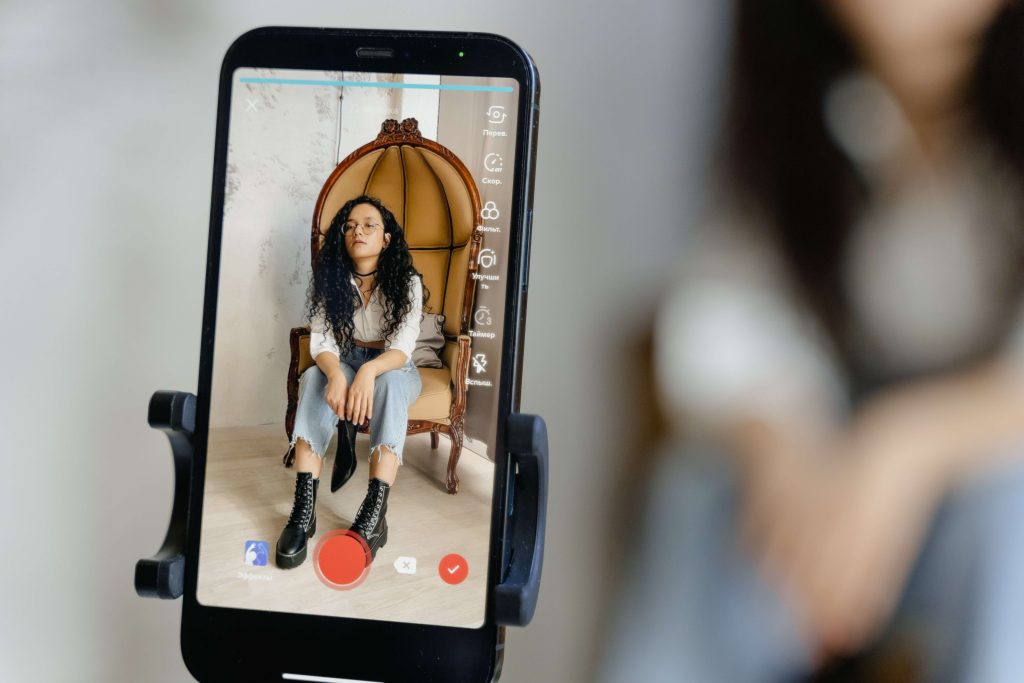
Find out why brands are hopping on the influencer train and how it could benefit your marketing strategy, and what steps to take if you’re interested in collaborating with an influencer!
How Gen Z Is Re-Defining Digital

They’re mobile-minded, TikTok-obsessed, and probably confused by your CD collection: Generation Z is not to be taken lightly as the next wave of digital consumers with enormous purchasing power. In this blog, we will take a closer look at this influential demographic and share some tips for advertisers to capture this audience! You spent all this time learning about Spotify, the differences between Tinder and Bumble, and the hundreds of other digital nuances that make marketing to millennials a very specific process.…Only to realize that there’s a new generation of consumers who are even more digitally-oriented than their older siblings: Generation Z. Now it’s more about learning how to do the Savage dance on TikTok, why so many people love “Rick and Morty” or “Fortnite” and finding which influencers to follow and sponsor to best get your brand out there. Here’s a quick overview of the differences between Millennials and Generation Z. Here are the topics we’ll be covering: Who Is Generation Z? How Marketers Can Win With Generation Z Best Channels To Promote Your eCommerce Business To Gen Z Who is Generation Z? Generation Z refers to the demographic that was born between 1997 and 2012. As of 2021, they would be around 9 to 24 years old. In 2020, there are about 2.56 billion Gen Z members worldwide, and by 2030, they will make out 30% of the global workforce. According to the Pew Research Center, Gen Z members are the most racially and ethnically diverse generation and are on track to be the most educated generation yet. In the United States, Gen Z is the largest subgroup, accounting for almost one-third of the population. Generation Z is Tech-Savvy Gen Z is born into a world of smartphones, iPad, apps, and more within the digital realm from the start. Because of this, they are used to finding and processing information online faster. Here are some quick stats: 94% of Gen Z’ers own laptops. 3 out of 4 say the primary activity in their free time is spent online 75% say they get most of their information from social media Here is a great quote from Steph Wissink that sums up Gen Z and their fluency in digital: Gen Z is one of the first generations (as a cohort) to be fluent in rapid information gathering. They can sift through institutional messages, to filter out excess noise, and to identify voices they can trust. Generation Z Has Huge Purchasing Power Globally, their purchasing power is $143 billion – that’s right, billion! Generation Z makes up 40% of global consumers. These are the categories they spend the most money on: Food (restaurants, fast-food, beverages, etc.) Entertainment (hobbies, etc.) Appearance (hair, clothing, cosmetics, etc.) Education (tuition, textbooks etc) Car (gas, insurance, etc.), Groceries Mobile Phone Bills Public Transportation and more It’s estimated that up to 80% of Gen Z’s decisions and needs influence the foods and products parents buy, which brings up another point: Gen Z have parents, friends, and older siblings, too. Therefore, the decisions and buying habits Gen Z has can and will influence the purchasing decisions parents can make. Especially when it comes to the food and home product industry: up to 70% of home food choices are influenced by Generation Z. This influence extends to the services that families use as well, like kid friendly meal delivery options. By having a preference for certain types of cuisine or dietary options, Gen Z not only shapes what is served at the family table but also helps diversify the offerings of these delivery services, contributing to a global food culture that is all-inclusive and health-conscious. How Marketers Can Win with Generation Z Gen Z, along with their digital habits, is evolving faster than you can say the words “It’s Lit”. If you want to maintain your company’s bottom dollar and keep your profit margins steadily increasing, Gen Z is the generation you need to be learning about – and fast. Luckily, we’ve got you covered – as always. Here are 5 essential points to consider when marketing to Generation Z to nail your messaging when it comes to marketing, because nowadays – first-impressions are all we have, especially with this generation. #1: Target Cross-Channel Digitally As mentioned above, Generation Z members are children of the digital age. Therefore, segmenting your audiences across different channels will be vital to your marketing strategy. You need to be in more places than one! Gen Z use: smartphones, laptops, tablets, desktops, and TV. “Just Google it” is common sense to Generation Z. They typically turn to the internet (Google) to research and gather information and make purchasing decisions, so Search Ads are a must. Tip: Think about how your Expanded Text Ads appear. Also, take advantage of things like callout extensions and site link extensions on your ads to ensure an easy as possible path to purchase. As digital consumers, you can bet most of Gen Z is active on social media. Here is a glance at which social platforms they use the most: This survey was conducted in 2019, and TikTok has grown significantly in terms of usage. A recent study showed that young audiences spanning 4 to 15 years old spend a whopping 80 minutes a day on the app! To learn more about all the rage about TikTok and how brands can leverage the app, check out “What is TikTok?” Looking at the survey graph above, brands should consider the following ad formats to run: Instagram Ads Snapchat Ads Facebook Ads Pinterest Ads Gen Z’ers spend most of their time watching Netflix (35%) and Youtube (37%). If you want to capture them on these platforms, consider running in-stream OTT (Over The Top) and video ads. In-stream ads are excellent for retargeting. “The average attention span of Generation Z is 8 seconds. That’s how long they decide if something is worth their time.” Be sure to capture their attention from the get-go! #2: Mobile-Minded Here is a quick breakdown of smartphone ownership amongst Gen Z across the world.
Why Marketers Should Consider Targeting Gamers

Gamers are an audience segment you shouldn’t underestimate. Since the holidays, popular gifts have been Sony’s latest and much-coveted gaming console, Playstation 5 or the family-friendly Nintendo Switch. This is precisely why we will be discussing why marketers should consider targeting gamers! Here are the topics we will be covering in this blog: The Boom of the Gaming Industry A Very Underrated Audience Segment Gaming Platforms For Advertisement Summary TL;DR – What Have We Learned? Photo by Kelly Sikkema on Unsplash The Boom of the Gaming Industry Video games have always been a medium for escapism. People flock to them to take their minds off from the stress and reality of day-to-day life. In 2020, the pandemic had given video games a big push. Even people who might not have played many games before have gotten more time on their hands. Our previous blog highlighted that the global mobile usage average has increased by an hour a day, and mobile ads saw a 15% increase in engagement rate. This also resulted in a 59% surge in in-game advertising revenue! There are currently 3.09 billion gamers around the world and that number is predicted to grow to 3.32 billion in 2024. Here’s a look at gaming in the pandemic era: Playing video games can be relaxing (think Animal Crossing), exhilarating (Pub-G), hilarious (Jackbox Party Games), and extremely social. Many games nowadays are social, like Fortnite, which is a free-to-play, battle royale game. 99 players worldwide have to fight to survive on a virtual island and be the last one standing. In March 2019, there were 250 million players. By April 2020, during the first wave of COVID-19, that number has jumped to 350 million unique players. In solely the month of April 2020, there have been a combined total of 3.2 billion hours spent in the game. Take a look at how the game itself makes money: Did you know that over half of the US population plays at least one digital game? Gaming systems like Playstation, Nintendo, and Xbox are widely popular and take up about half of the gaming industry’s revenue. Ever since their launches, sales have been consistently growing: Here’s a quick breakdown of lifetime sales (as of May 2023) of each system: Playstation 5: 38.4 million PlayStation 4: 117.2 million Nintendo Switch: 125.62 million Xbox One: 50 million These numbers will continue to grow, and these gaming system titans will be launching innovative new products. Playstation recently debuted their latest system, Playstation 5, which sold out almost immediately. Nintendo released a more compact version of the Switch called Switch Lite and has already teased the news of Nintendo Switch 2. Well, what makes up 51% of the global revenue for the gaming industry? Say hello to mobile games! Hundreds and thousands of games are also accessible to those without a gaming system via smartphones or tablets. The most popular apps in the Apple and Google Play store are predominantly mobile games. Facebook recently released a Gaming Report with 2020 insights. It saw major growth in mobile gaming: No matter what tickles your fancy, there is a game out there for everyone. A digital crossword puzzle game for seniors to keep their minds sharp; a zombie shoot-em-up gorefest for thrillseekers, a challenging turn-based strategy game, or a chill management game where you tend to a virtual farm… whether playing solo or socially, people can spend as long or as little time they want to be entertained through games. American gamers in the age range of 18-35 play mobile games for an average of 48 minutes a day. Research shows that the global gaming market is worth almost $160 billion, and it’s predicted to surpass $200 billion in revenue by 2023. Custom game development is the key to creating unique and engaging gaming experiences tailored to specific audiences. Additionally, a game art studio is pivotal in crafting visually stunning and immersive gaming experiences. The future of gaming is limitless, and advertisers should take note. A Very Underrated Audience Segment Gone are the old days with gamer stereotypes. Gamers now range among so many demographics. Can you believe that middle-aged women are the most avid mobile games?! We’re looking at you, Candy Crush! A survey revealed that 65% of US women aged 10-65 play mobile games. Women make up 49% of all mobile gamers and play more frequently than their male counterparts. The average age of a female gamer is 37 years old who is financially independent. 1 out of 3 of women who play mobile games regularly have high purchase-intent when it comes to games or in-game loot or gear. Female gamers are a very underrated market! Photo by SCREEN POST on Unsplash Gaming Platforms For Advertisement In this section, we will dive into the top channels brand marketers can serve digital ads and get in front of gamers! iOS & Android Mobile Games Since mobile gaming advertising is the most popular and accessible platform for the public, we’ll look at it first. All mobile games are downloadable apps. So the type of advertising best suited for this is in-app advertising. Brands pay app developers to serve ads on mobile apps. There are a few types of in-app ads: Mobile Banner Ads are Display Ads are typically located at the top or bottom of the mobile screen Interstitial Ads are during transitions of a game, for example, a loading screen Rewarded Video Ads incentivize users to view video ads to get game rewards Mobile Native Ads blend into a mobile app’s layout and theme and provide relevant content What’s great about mobile apps is that there is a vast list to choose from in-depth data tracking and audience-targeting functions. Data that can be collected include geolocation, age, gender, type of device, etc. Technologies like Klick&Mortar can even track if someone viewed your ad and visited a shop in person! Because those who are playing mobile games are highly engaged in the app, mobile ads tend to have decent Click-Through Rates (CTR). It’s a great monetization strategy for any brand running digital campaigns! Twitch Twitch is a live-streaming site that was acquired by Amazon for $970 million
The Future of Branding: Emerging Trends and Innovations for Startups

Here are some key strategies to consider to build a successful brand presence. If you’re a startup, you don’t want to miss this guide!